
Next exhibition
September 12 (Sat) – November 23 (Mon), 2026
Mitsui Memorial Museum
Next Exhibition
Collection Exhibition
100 Selected Tea Bowls from the Mitsui Memorial Museum Collection
From National Treasure to Handmade
September 12 (Sat) – November 23 (Mon), 2026
Hours
10am to 5pm, entrance until 4:30pm
Holidays
Mondays (except 9/21, 10/12, 11/2, 11/23), 10/13
Entrance fees
We hold collection exhibitions or special exhibitions throughout the year but we don’t have any permanent exhibitions.
Adults
- Collection Exhibition
- 1,200yen(1,000yen)
- Special Exhibition
- 1,500yen(1,200yen)
High School and College Students
- Collection Exhibition
- 700yen(600yen)
- Special Exhibition
- 1,000yen(800yen)
Groups of 20 or more
- fee in parenthesis
- ※Visitors over 70 (with ID) can enter at discount fee.
- ※Those with a handicapped identification card and an attendant are admitted free of charge.(The disability certificate app Mirairo ID is also accepted.)
- ※Elementary and Junior High School Students are admitted free of charge.
- ※Fee in parenthesis for those who bring stubbed ticket of this exhibition.
Address
Mitsui Main Building, 7th Floor, Nihonbashi Muromachi 2-1-1, Chuo-ku, Tokyo 103-0022
For inquiries
050-5541-8600 / 047-316-2772 (from overseas)
Transportation
- Tokyo Metro Subway Ginza Line: Exit A7, 1 min walk from Mitsukoshimae Station
- Tokyo Metro Subway Hanzomon Line: Exit A7, 3 min walk from Mitsukoshimae Station
- Tokyo Metro Subway Ginza-Tozai Lines: 4 min walk from Nihombashi station,Exit B9
- Toei Subway Asakusa Line: 6 min walk from Nihombashi station,Exit B9
- JR Tokyo Station: 7 min walk from Nihonbashiguchi exit
- JR Kanda Station: 6 min walk from South exit
- JR Sobu Line Rapid Service: 4 min walk from Shin-nihombashi Station
- Metro Link Nihonbashi (Free bus service): 1 min walk from Mitsui Memorial Museum bus stop
Mitsui Memorial Museum
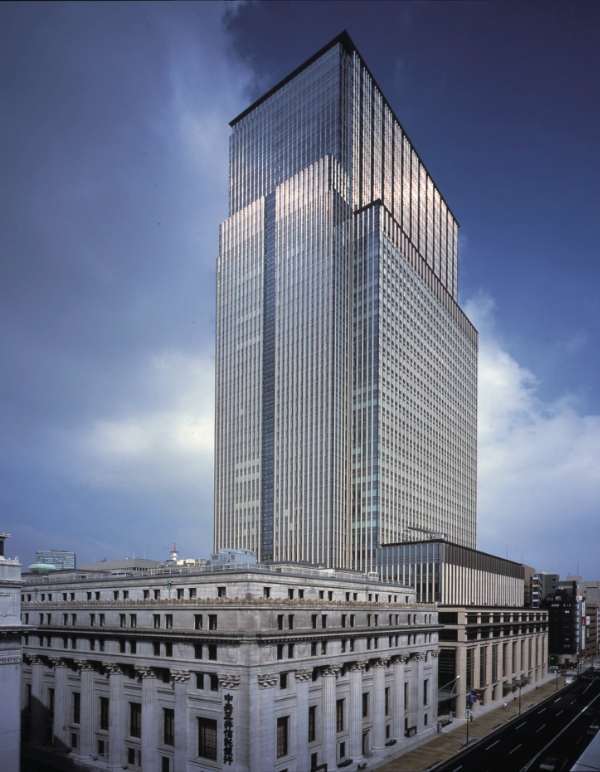
The Mitsui Memorial Museum is located in the Nihonbashi district, a few minutes walk from Tokyo Station. The museum opened in October 2005 as the successor to the Mitsui Bunko Annex facilities in Tokyo’s Nakano-ku district. Work is progressing on redeveloping this neighborhood under the concept of creating a modern streetscape coexisting with an Edo period feel, a redevelopment that “retains a sense of Japanese culture.” Since the Edo period, the Mitsui families and the Mitsui Group of Companies have had extremely close connections with the Nihonbashi district.
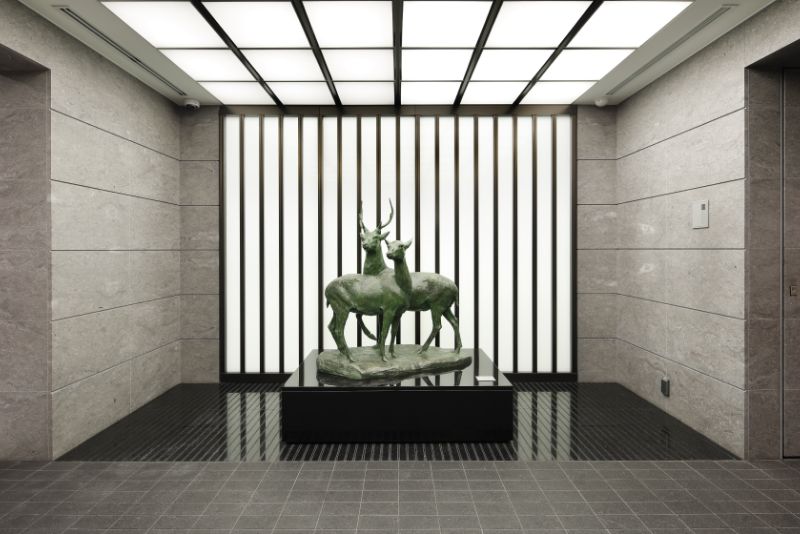
The Mitsui Memorial Museum is located on the 7th floor of the Mitsui Main Building, an Important Cultural Property-designated early Shôwa period Western-style building. Even so, it is easy to access the museum. The entrance to the museum is located in the 1st Floor Atrium of the neighboring Nihonbashi Mitsui Tower. Progressing from the modern streetscape into a building that retains its early 20th century Western-style architectural form, the elevator takes you up to the 7th floor exhibition galleries. There you can enjoy looking at Japanese and Asian artworks in a calming space.
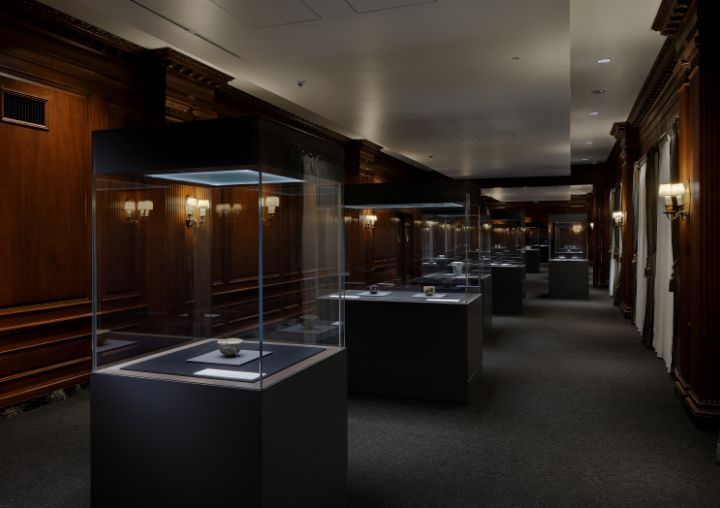
The Mitsui Memorial Museum collection consists of superb Japanese and East Asian artworks acquired by the Mitsui families from the Edo period onwards. Centering on tea ceremony utensils, the collection ranges across paintings, Noh costumes and masks, swords, sutra transcriptions, stone rubbings, calligraphy and furnishings. Since our opening we have experimented with ways of rediscovering the Japanese and East Asian traditions of “the beauty of form” and the “beauty of functionality” in these works. We will continue this exploration in the future.
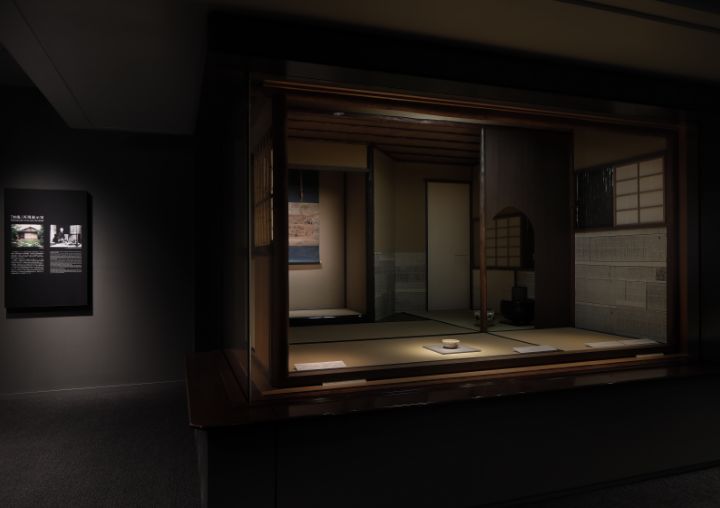
We hope that you will enjoy visiting our museum and seeing our succession of exhibitions featuring masterpieces from the Mitsui Memorial Museum’s own collection, and at times, special exhibitions bringing together works whose owners have generously allowed their display in our museum.
We look forward to welcoming you to our museum.
Mazumi Shimizu
Director
Mitsui Memorial Museum
